The hemp THC ban 2026 debate affects anyone who buys Flying Horse products. Here is a plain-English summary.
We’ll cover what Congress passed, when it takes effect and what remains uncertain.
We’ll also explain how state law fits in.
This page is general information, not legal advice.
Check your state’s law, and consult a lawyer for business questions. Last reviewed October 2026.
The Short Version
In November 2025, Congress changed the federal definition of hemp. The change counts total THC, not just Delta-9 THC.
It also caps finished hemp products at 0.4 mg of total THC per container. That limit is very low.
As a result, most intoxicating hemp products would become federally unlawful once the change takes effect.
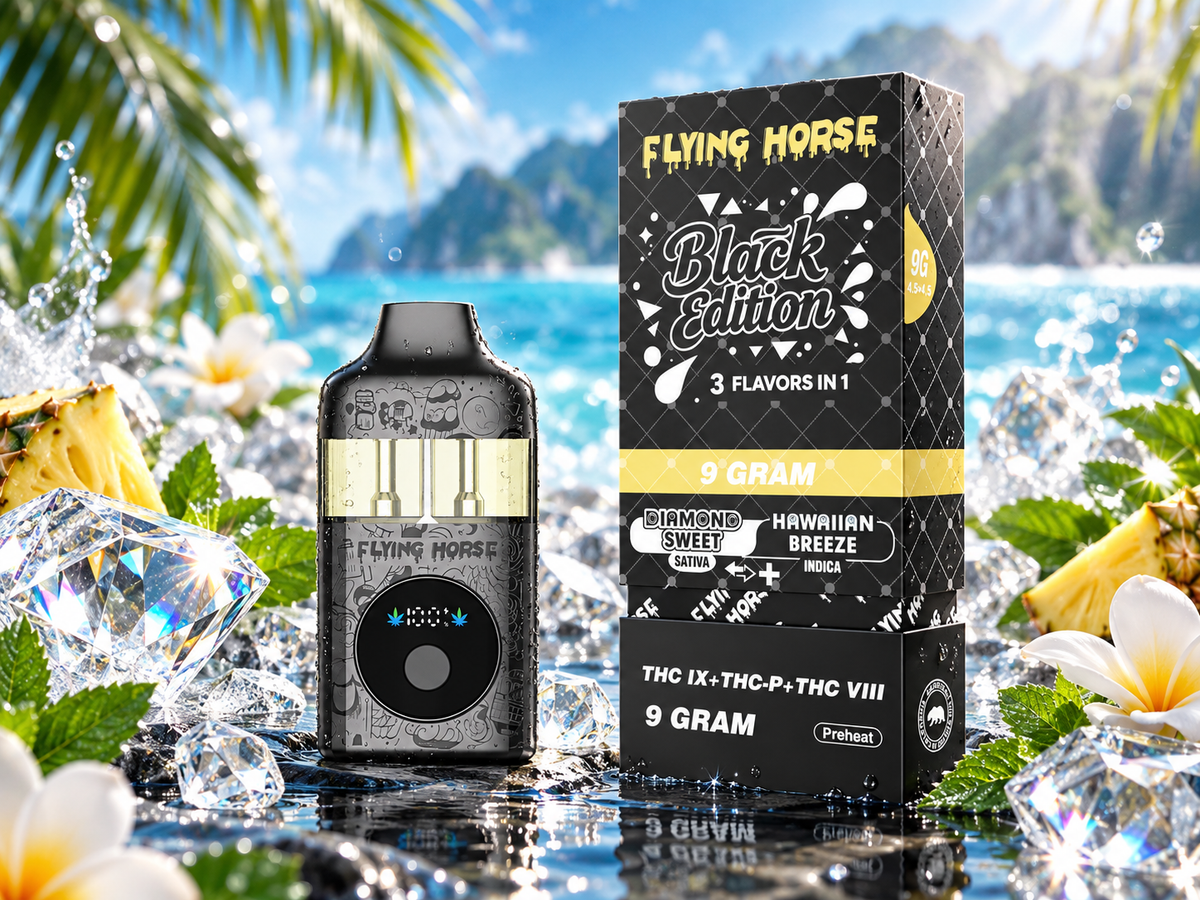
That group includes most THCP, THCA and Delta-8 vapes. Flying Horse devices fall into this category.
The effective date was November 12, 2026. However, a September 2026 funding measure moved it to December 11, 2026.
What Congress Actually Passed
The change sits in Public Law 119-37, Section 781. The President signed it on November 12, 2025.
Before this law, federal hemp rules focused on Delta-9 THC. Products with 0.3% or less Delta-9 THC counted as hemp.
That older focus left room for other compounds. For example, Delta-8, THCA and THCP products grew into a large market.
The new “total THC” approach
Section 781 redefines hemp to count total THC. That total includes THCA, Delta-8 and similar cannabinoids, not only Delta-9.
So a product can no longer qualify simply by keeping Delta-9 low.
The other THC compounds now count toward the limit.
The 0.4 mg per container cap
The law also sets a ceiling for finished products.
Each container may hold no more than 0.4 mg of total THC.
For context, a single vape device holds grams of oil. Therefore, intoxicating vapes would sit far above that cap.
In practice, this would remove most intoxicating hemp products from the federally lawful market.
Why This Matters for Flying Horse Products
Today, every Flying Horse product is labeled hemp-derived with no more than 0.3% Delta-9 THC. Each is third-party lab tested.
That labeling fits the older Delta-9 standard. However, these products also contain other THC compounds by design.
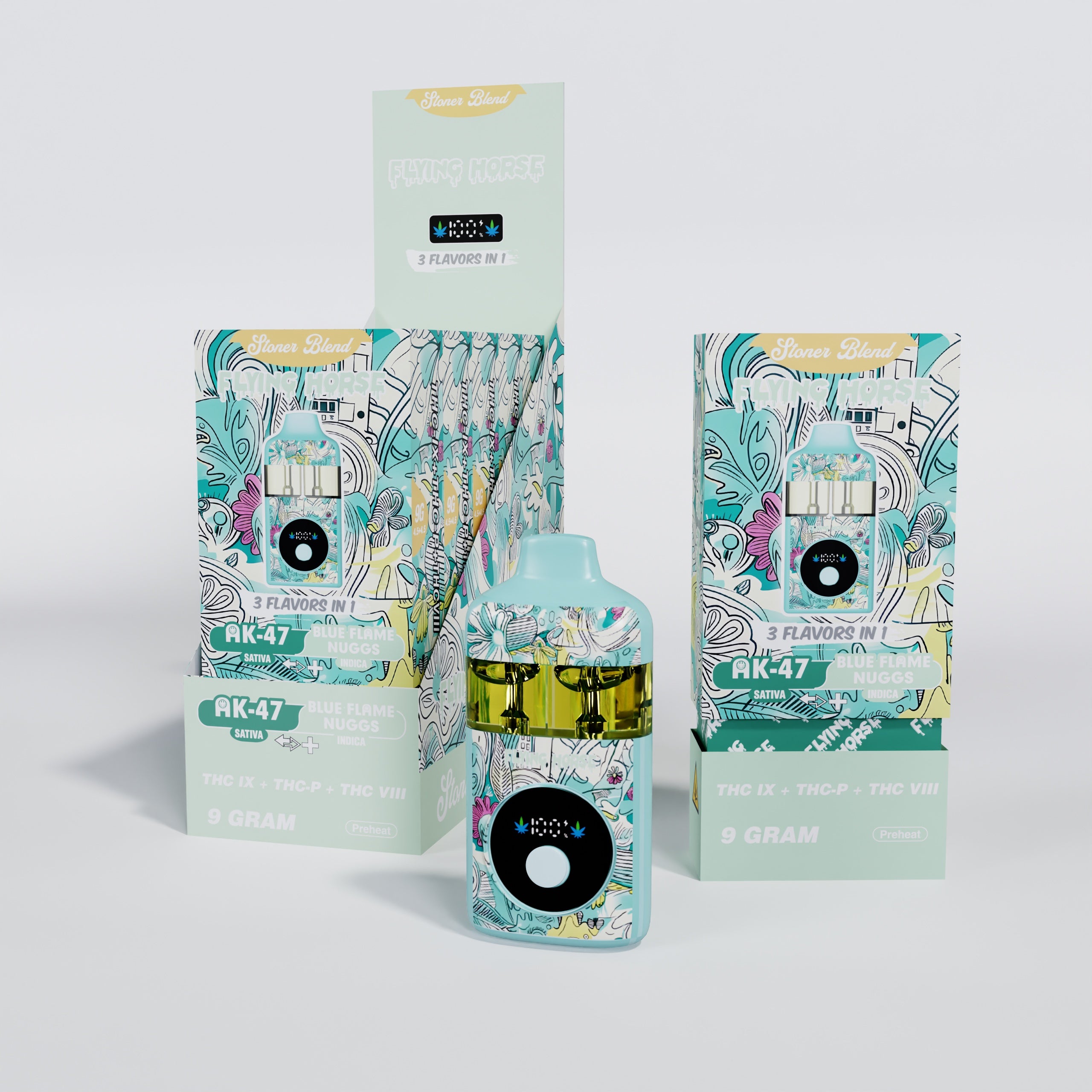
For instance, the brand lists a THC-P distillate for the Stoner Blend 9G.
The Liquid Diamond 5G uses a THCP, HHC and Delta-8 blend.
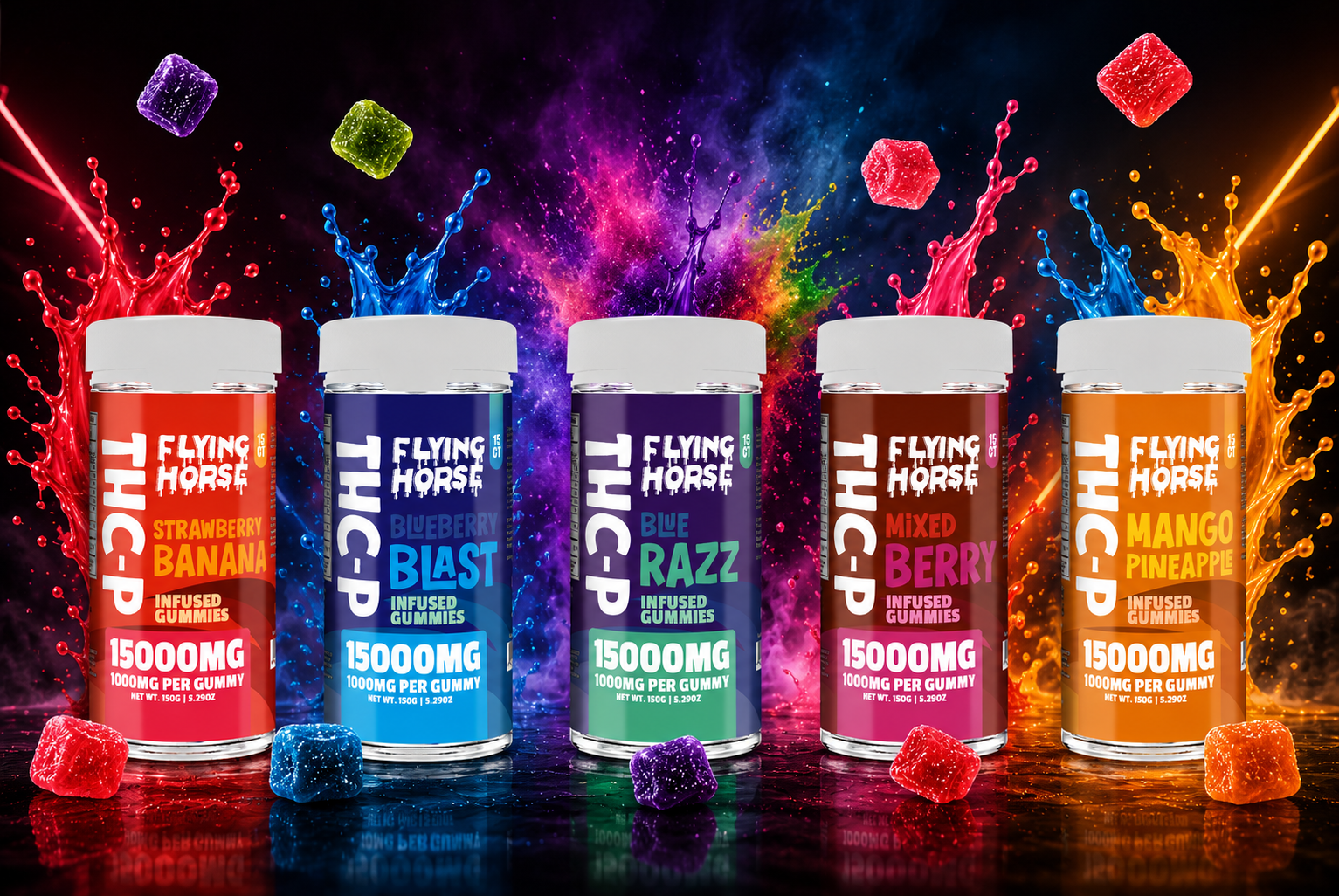
The THCA Gummies contain 1,000 mg of THCA per gummy. Under a total-THC rule, THCA counts.
So, once the new definition applies, most of the lineup would likely fall outside federal hemp rules.
Want to understand these compounds first? Read THCP vs THCA vs Delta-8 for a plain overview.
Which Product Types Are in Scope
The law isn’t limited to vapes. It applies to finished hemp products in general, so every category deserves a look.
Disposable vapes and cartridges
These hold grams of oil per device.
For example, the 9g lines hold 9 g, and the smallest disposables hold 1.25 g.
Measured against a 0.4 mg total-THC cap per container, intoxicating vapes are far above the limit.
Prerolls
The brand’s prerolls use hemp flower, and several are THCP-infused.
THCA-rich flower also counts toward total THC under the new definition.
Gummies
Jars are labeled in the thousands of milligrams.
The THCA Gummies, for instance, list 15 gummies at 1,000 mg THCA each.
Drinks
The THC Seltzer is a 12 fl oz can labeled 40 mg.
That figure is also well above a 0.4 mg per-container cap.
In short, the change reaches most of the catalog, not just one format.
Timeline: How We Got Here
Dates matter a lot here. This table lists the key events in order, based on information available in October 2026.
| Date | Event |
|---|---|
| Nov 12, 2025 | P.L. 119-37 signed; Section 781 redefines hemp by total THC and caps finished products at 0.4 mg total THC per container |
| Nov 12, 2026 | Original effective date for the new hemp definition |
| Sept 2026 | Continuing resolution H.R. 6500 moves the effective date |
| As of Oct 2026 | Bills to delay further, such as H.R. 7024, have not passed |
| By Oct 2026 | A federal judge grants ten out-of-state hemp companies a temporary restraining order against a state hemp law (limited case) |
| Dec 11, 2026 | Current effective date for the new definition |
Note: “By Oct 2026” means the event had happened when we last reviewed this page.
Dates can change; we will update this page.
The Delay: From November 12 to December 11
The original start date was November 12, 2026. That gave the industry one year after the law was signed.
Then, in September 2026, Congress passed a continuing resolution, H.R. 6500. It pushed the effective date to December 11, 2026.
A continuing resolution is a short-term funding bill. Lawmakers sometimes attach other provisions, such as date changes, to them.
So the delay is real but brief. It buys about one extra month, not a permanent fix.
Could the date move again?
Possibly. Other bills aim to push the date further back.
For example, the Hemp Planting Predictability Act, H.R. 7024, proposes a delay.
However, as of October 2026, none of these bills has passed. Until one does, December 11, 2026 remains the date.
We can’t predict what Congress will do. Therefore, plan around the current date, not around hoped-for changes.
The Court Case: What the Restraining Order Does and Doesn’t Do
Courts and states are also acting on hemp, separately from Congress. One case has drawn a lot of attention.
A federal judge granted a temporary restraining order to ten out-of-state hemp companies.
Their challenge targeted a state hemp law, not the federal change.
The ruling relied on dormant Commerce Clause grounds.
The dormant Commerce Clause is a constitutional principle. Broadly, it limits how states can treat businesses from other states.
That headline can sound like a nationwide stop. It isn’t.
It doesn’t touch the federal date, and it covers only those companies.
What “temporary restraining order” means
A temporary restraining order is a short-term court order.
It usually pauses enforcement while a court looks at a case more closely.
It is not a final ruling on the merits. A later decision could keep, change or end that protection.
What it means for everyday buyers
For most buyers, very little changes because of this order. It doesn’t reach other sellers or other states automatically.
It also doesn’t change the federal effective date.
So don’t treat one court order as proof that products are lawful where you live.
State Law: The Layer Many People Forget
Federal law is only one layer. Each state also sets its own rules for hemp-derived THC products.
Some state rules are stricter than federal law. Others differ in which cannabinoids or products they cover.
As a result, a product may be restricted in your state even before December 11.
Examples of state-specific products
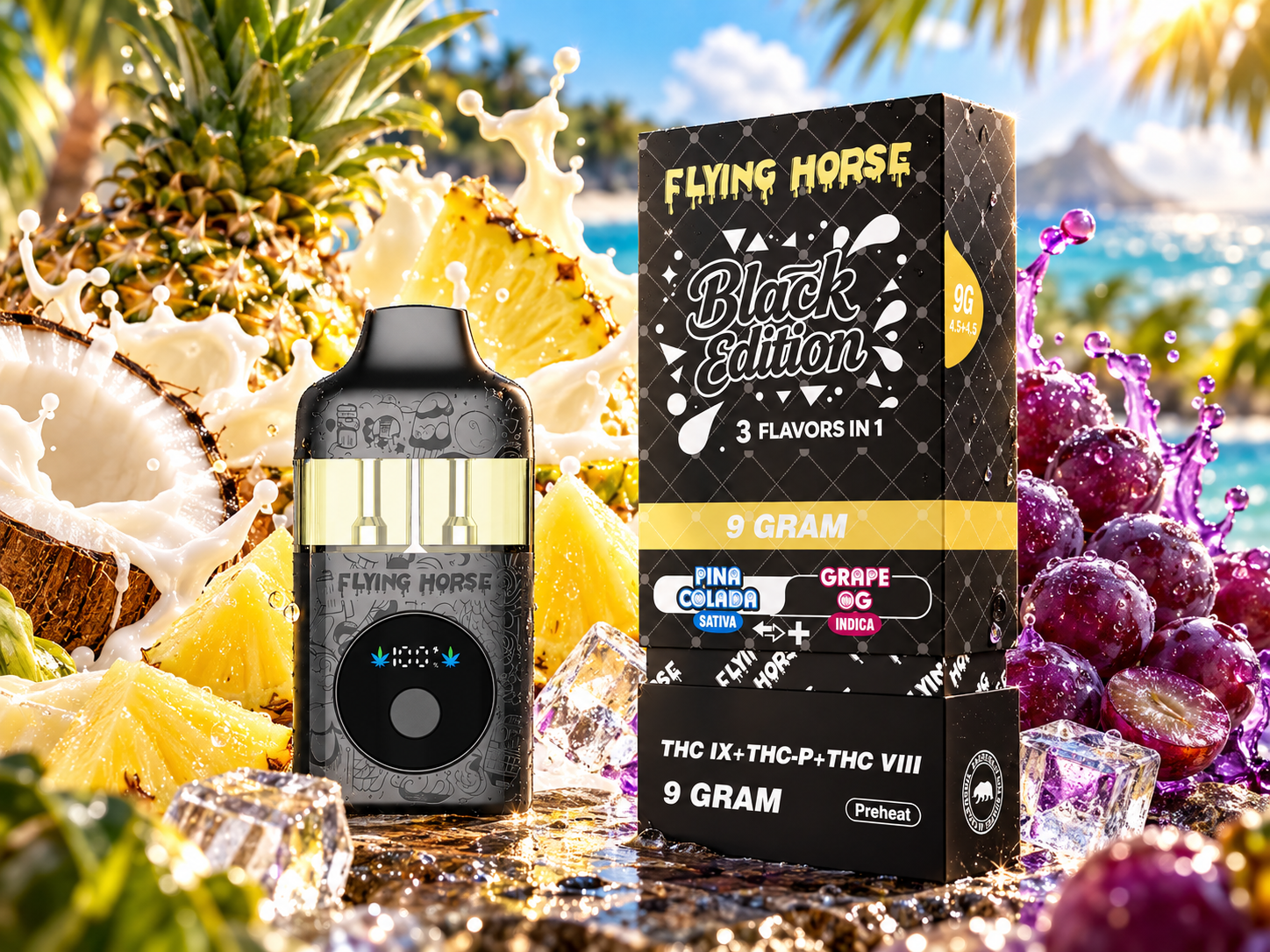
The brand already makes Florida-compliant versions of some 9g devices. These use a different formula from the standard models.
For example, the Stoner Blend 9G and Black Edition 9G each come in an FL-compliant version.
A Christmas Edition 3G batch was labeled FL/GA compliant.
Those versions exist because state rules differ. Even so, they don’t settle the separate federal question.
Check your state before every order
State rules change often. Look up your state’s current law, or ask a local attorney if you need certainty.
Before and After: How the Rules Compare
This comparison table summarizes the main differences. It simplifies a complex law, so treat it as an overview only.
| Topic | Before Section 781 takes effect | After Section 781 takes effect |
|---|---|---|
| What counts toward the THC limit | Delta-9 THC | Total THC, including THCA, Delta-8 and similar cannabinoids |
| Finished product limit | 0.3% Delta-9 THC (labeled limit) | 0.4 mg total THC per container |
| Intoxicating THCP, THCA and Delta-8 vapes | Widely sold under the hemp label | Most would be federally unlawful |
| Effective date | In force | Dec 11, 2026 (moved from Nov 12, 2026) |
| State law | Applies separately; varies | Still applies separately; varies |
| Court action | — | One limited order against a state law; federal change unaffected |
What the Hemp THC Ban 2026 Could Mean for Buyers
Nobody knows exactly how the market will look after December 11. Still, a few outcomes seem likely to matter.
Availability may change
Products may become harder to find, or unavailable, once the new definition applies. Some lines may disappear from stores.
Brands may also reformulate products to meet the new rules. Any reformulated product would need its own new lab reports.
Counterfeits may increase
When genuine supply shrinks, copies often fill the gap. That makes verification even more important than before.
Our guide to checking whether a cart is real explains how to match a flavor to its lab report.
State law will matter even more
Your location already shapes what you can buy. After the federal change, state rules will keep shaping it.
Prices may shift
Supply changes can move prices in either direction. We can’t predict that, so we won’t guess.
Questions We Can’t Answer for You
Some questions depend on facts about you and where you live. We want to be upfront about those limits.
“Can I keep products I already own?”
That depends on federal and state law, plus your circumstances. Please ask a lawyer in your state.
“Can I travel with these products?”
Rules differ by state and by mode of travel. Therefore, check the law in every state you will pass through.
“Will a reformulated version be allowed?”
We don’t know yet.
Any new formula would need new lab reports, and it would have to meet both federal and state rules.
When we learn more, we’ll share it here. Until then, we prefer saying “we don’t know” to guessing.
How We’re Handling the Change
We comply with the law. If the rules require us to stop selling a product, we will stop selling it.
We also restrict sales where state law requires it. And we sell only to adults 21 and older.
Next, we will update this page as dates or rules change. Check the “last reviewed” note near the top.
Meanwhile, every product line stays linked to its reports on our Lab Results page.
Questions about an order or shipping to your state?
Contact our team, and see our shipping and returns policy.
What we won’t do
We won’t tell you a product is “legal everywhere.”
That claim isn’t true under current law, and it won’t be true after December 11.
We also won’t give legal advice. For that, please speak with a qualified attorney in your state.
Common Misunderstandings
News about hemp law spreads quickly, and details get lost. Here are the mix-ups we see most often.
“The hemp THC ban 2026 is already in effect”
Not at the federal level, as of late October 2026.
The new definition is currently set to apply on December 11, 2026.
However, your state may already have its own restrictions. So “not yet federal” doesn’t mean “allowed where you live.”
“The court case stopped everything”
No. The restraining order covers ten companies challenging one state law. The federal change is unaffected.
“Low Delta-9 means it’s still hemp”
That was the older approach. Under the new definition, THCA, Delta-8 and similar compounds count toward total THC.
“Congress already delayed it again”
Only the move to December 11 has happened.
Further delay bills, such as H.R. 7024, had not passed as of October 2026.
“The 0.4 mg cap is per serving”
The cap applies per container. That makes it far stricter than a per-serving limit would be.
Key Terms, Explained Simply
Legal news uses a lot of jargon. These short definitions should make the rest of the coverage easier to follow.
- Total THC: the combined THC content, counting THCA, Delta-8 and similar cannabinoids alongside Delta-9.
- Delta-9 THC: the compound the older hemp definition focused on.
- THCA: a cannabinoid that counts toward total THC under the new definition.
- Continuing resolution: a short-term funding bill; H.R. 6500 carried the date change.
- Effective date: the day a law’s changes start to apply.
- Temporary restraining order: a short-term court order that pauses enforcement for specific parties.
What Isn’t Changing
Plenty stays the same, whatever happens in December. These basics still apply to every buyer.
First, age limits still matter. We sell only to adults 21 and older.
Second, verification still matters. Genuine products come with per-flavor lab reports on the brand’s hub.
Third, drug tests don’t change. Hemp-derived THC products can cause a positive drug test.
Finally, safe storage still matters. Keep every product away from children and pets.
For more on testing and risk, see our honest guide on whether these carts are safe.
Practical Steps for Buyers Right Now
You don’t need to make big decisions today. However, a few simple steps will keep you informed and protected.
- Check your state’s law. Search your state’s official resources, or ask a local attorney.
- Note the date. The federal change is currently set for December 11, 2026.
- Verify every product. Match the flavor and batch to a lab report on the brand’s hub.
- Buy from accountable sellers. Choose retailers with clear contact details and a returns policy.
- Watch for updates. Congress or the courts could still change the picture.
If you want to compare current products while they are available, browse our disposable vape collection.
You can also see the gummies and prerolls. The same federal questions apply to them.
How to Stay Informed
This topic moves fast. A few habits will help you separate solid information from rumor.
Go to primary sources
Look for the bill or law number itself.
P.L. 119-37, H.R. 6500 and H.R. 7024 are the ones to watch here.
Check your state’s official sites
State agriculture departments and attorneys general often publish hemp guidance. Those pages are usually more reliable than social posts.
Read past the headline
Headlines like “hemp ban blocked” often describe narrow rulings. So read who the ruling covers before you draw conclusions.
Come back to this page
We review this guide as events unfold. When something changes, we’ll update the timeline and the review date.
Notes for Businesses and Resellers
If you run a business, the stakes are higher. Inventory, licensing and contracts may all be affected by this change.
Don’t rely on a retailer blog for those decisions, including this one.
Instead, consult a lawyer who handles hemp and cannabis law.
Also review your state’s rules, because they may apply before or alongside the federal date.
FAQ: Hemp THC Ban 2026
When does the new federal hemp definition take effect?
It is currently set for December 11, 2026.
The original date was November 12, 2026, before a September 2026 continuing resolution moved it.
What does the law change?
It counts total THC, including THCA and Delta-8, toward the hemp limit.
It also caps finished products at 0.4 mg total THC per container.
Will Flying Horse vapes be affected?
Most THCP, THCA and Delta-8 vapes would likely become federally unlawful. That includes most of this brand’s devices.
Has Congress delayed it further?
Bills such as H.R. 7024 propose more delay. As of October 2026, none has passed.
Did a court stop the new hemp rules?
There is no nationwide stop.
One federal judge granted ten out-of-state hemp companies a restraining order against a state hemp law. It doesn’t affect the federal change.
Does state law still matter?
Yes. States set their own rules, and some are stricter than federal law. Always check your state.
Is this page legal advice?
No. It is general information. Consult a lawyer for legal or business questions.
The Bottom Line
The federal definition of hemp is changing. Under current law, that change starts on December 11, 2026.
Once it applies, most intoxicating hemp products, including most of this lineup, would likely be federally unlawful.
State rules add another layer, and court actions so far are limited. So check your state and watch for updates.
We’ll keep this page current. For other questions, visit our FAQ page.