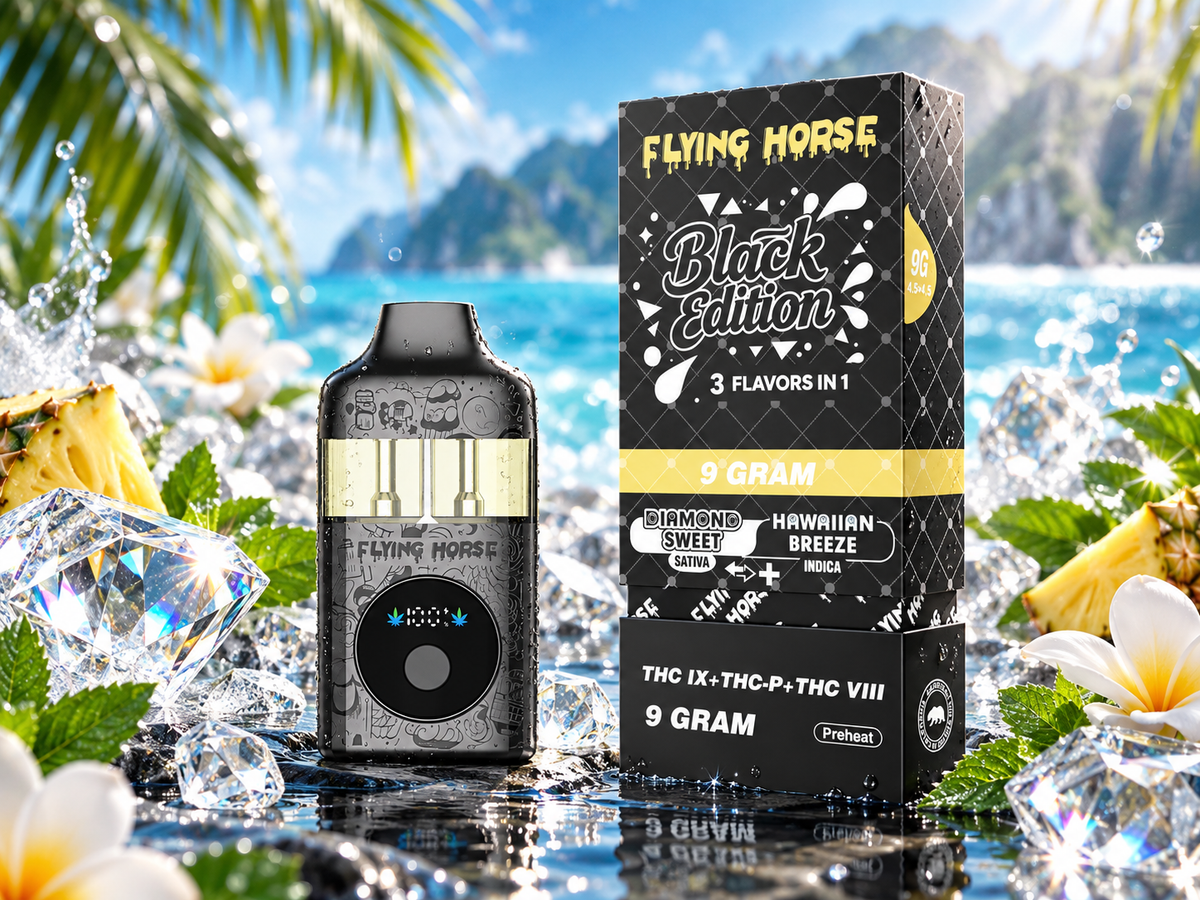
People ask “are Flying Horse carts safe” for good reasons. This guide gives you an honest, non-medical answer.
We can’t promise any vape is risk-free.
Instead, we’ll show you what testing covers, where it stops and how to choose carefully.
We are an independent retailer, not doctors. Nothing here is medical advice.
If you have health concerns, talk to a doctor.
The Honest Short Answer
No inhaled product is free of risk. That includes every vape, from every brand, whatever the label says.
What you can control is the quality of what you buy.
A verified, lab-tested product is a very different thing from an unknown copy.
Every genuine product from this brand is labeled hemp-derived, with no more than 0.3% Delta-9 THC.
Each one is third-party lab tested.
The brand also posts lab reports per flavor.
So you can check what was tested before you ever use a device.
Counterfeits, by contrast, come with no verified testing at all.
That is the biggest difference between a known product and a gamble.
What a Certificate of Analysis (COA) Actually Shows
A certificate of analysis, or COA, is a document from a testing lab.
It reports what the lab found in a sample.
Reports vary in scope. Some cover only potency, while others include a much wider panel of tests.
Cannabinoid potency
Almost every COA lists cannabinoids. You’ll see compounds such as Delta-9 THC, Delta-8, THCP or THCA, depending on the product.
This section confirms whether the Delta-9 level sits at or under the 0.3% label limit.
It also shows the overall blend.
Contaminant screening on full-panel reports
A full-panel report goes further. It screens for contaminants that you would never want to inhale.
- Pesticides — residues from farming
- Heavy metals — such as lead, cadmium, arsenic and mercury
- Residual solvents — leftovers from the extraction process
Not every report includes every panel. Therefore, check which tests your specific report lists before drawing conclusions.
What a COA cannot tell you
A COA describes a tested sample at one point in time. It doesn’t describe how your body will react.
It also can’t vouch for a device that isn’t the tested product.
That is why matching the report to your box matters so much.
How to Read a Flying Horse Lab Report, Step by Step
You don’t need a science degree. Just work through the report from top to bottom, one section at a time.
1. Check the header
First, find the product name and flavor. They should match your device exactly, including both strains on dual devices.
Next, note the lab’s name, the sample date and any batch number. A real report shows these details clearly.
2. Read the potency table
Then look at the cannabinoid results. Find Delta-9 THC and confirm it falls within the 0.3% limit.
Also note the other cannabinoids. Some lines differ here, so the report is the final word on what’s inside.
3. Look for contaminant panels
After that, scroll for pesticide, heavy metal and residual solvent sections. Each one usually shows a pass or fail result.
If a panel isn’t there, it wasn’t part of that report. In that case, don’t assume a result either way.
4. Confirm the source
Finally, open the report from the brand’s own lab results hub.
A screenshot from a seller is not the same thing.
To save time, our Lab Results page links each product line to the right section of that hub.
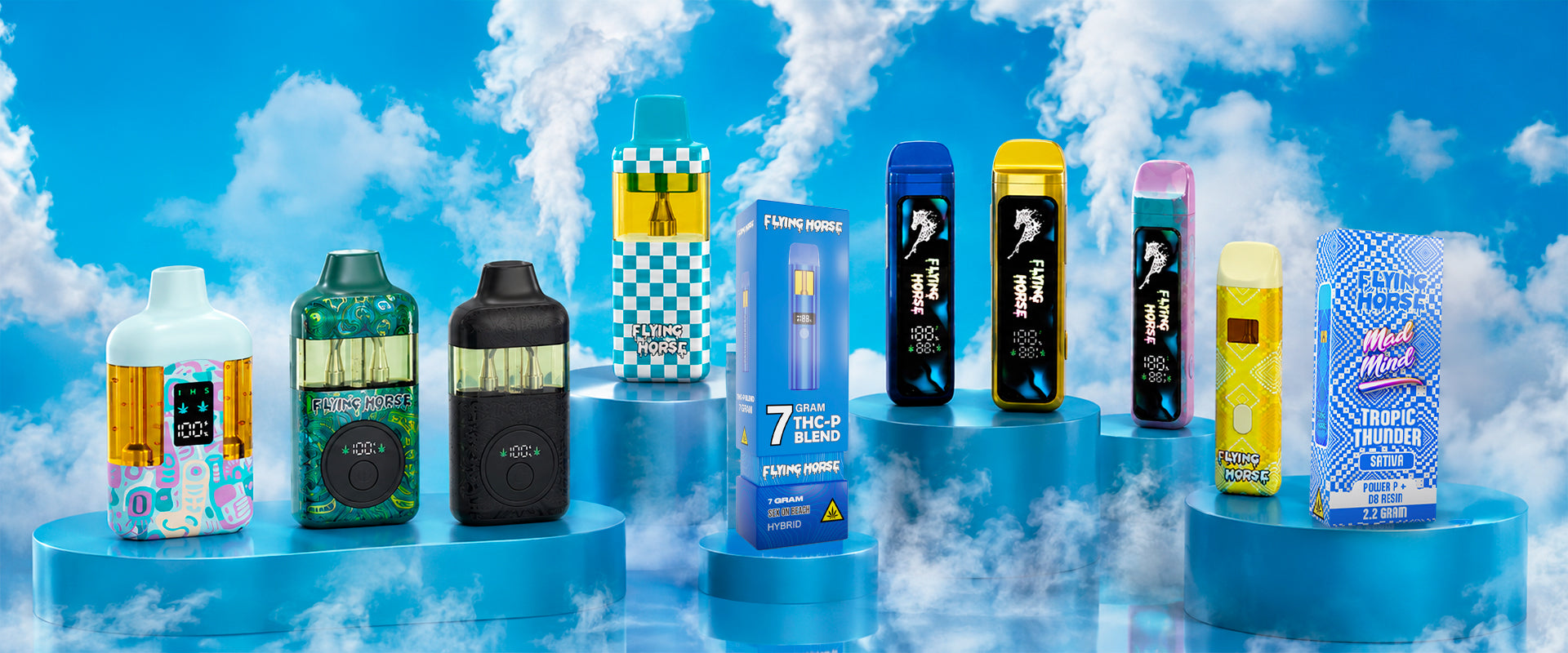
Why the Brand Posts Reports Per Flavor
Each flavor is its own formulation.
So one report for a whole line would not tell you much about your specific device.
Per-flavor reports fix that gap. You can match the exact strain pairing in your hand to its own test results.
The brand splits its hub by product type. There are pages for 9g disposables, other disposables, prerolls and edibles.
Some 9g devices also come in Florida-compliant versions. Those have their own formula, so match them to their own reports.
Different lines, different blends
Lines don’t share one recipe. For example, the brand lists a THC-P distillate for the Stoner Blend 9G.
Meanwhile, the Liquid Diamond 5G uses a THCP, HHC and Delta-8 blend, according to the brand.
Some retailers list other blends.
That’s another reason to check the report.
If you’re curious about these compounds, read THCP vs THCA vs Delta-8 explained.
What to Do If a Report Doesn’t Match
Sometimes you can’t find your flavor on the hub. Before assuming the worst, check a few simple things.
Check the right section
The 9g devices have their own page. Other disposables, prerolls and edibles each sit on separate pages.
Check the version
Florida-compliant devices use their own formula. So their reports differ from the standard versions.
Check the spelling
Search for each strain name separately. A dual device lists the sativa-labeled strain first, then the indica-labeled one.
Still nothing?
Then don’t use the device. Contact the seller, ask for the matching report and keep your receipt and packaging.
If you bought from us, reach out and we’ll help you find it.
Our shipping and returns policy explains the next steps.
Hardware Quality Matters Too
Safety questions usually focus on the oil. However, the device itself also deserves attention.
Genuine devices list their hardware openly.
Retailer listings for the Stoner Blend 9G, for example, mention mesh coils and a preheat function.
Similarly, the Mirage 9G uses two 4.5 g chambers. Each chamber has its own ceramic coil, plus a digital display.
The Stoner Blend 3.8G, meanwhile, is draw-activated with a ceramic coil. All of these recharge through USB-C.
Warning signs in any device
Stop using a device that leaks heavily, gets unusually hot or shows physical damage. Those are hardware problems, not quirks.
Also stop if the battery swells or the casing cracks. Then contact the seller about a replacement.
For milder issues, such as weak draws, our guide to carts that won’t hit covers safe fixes.
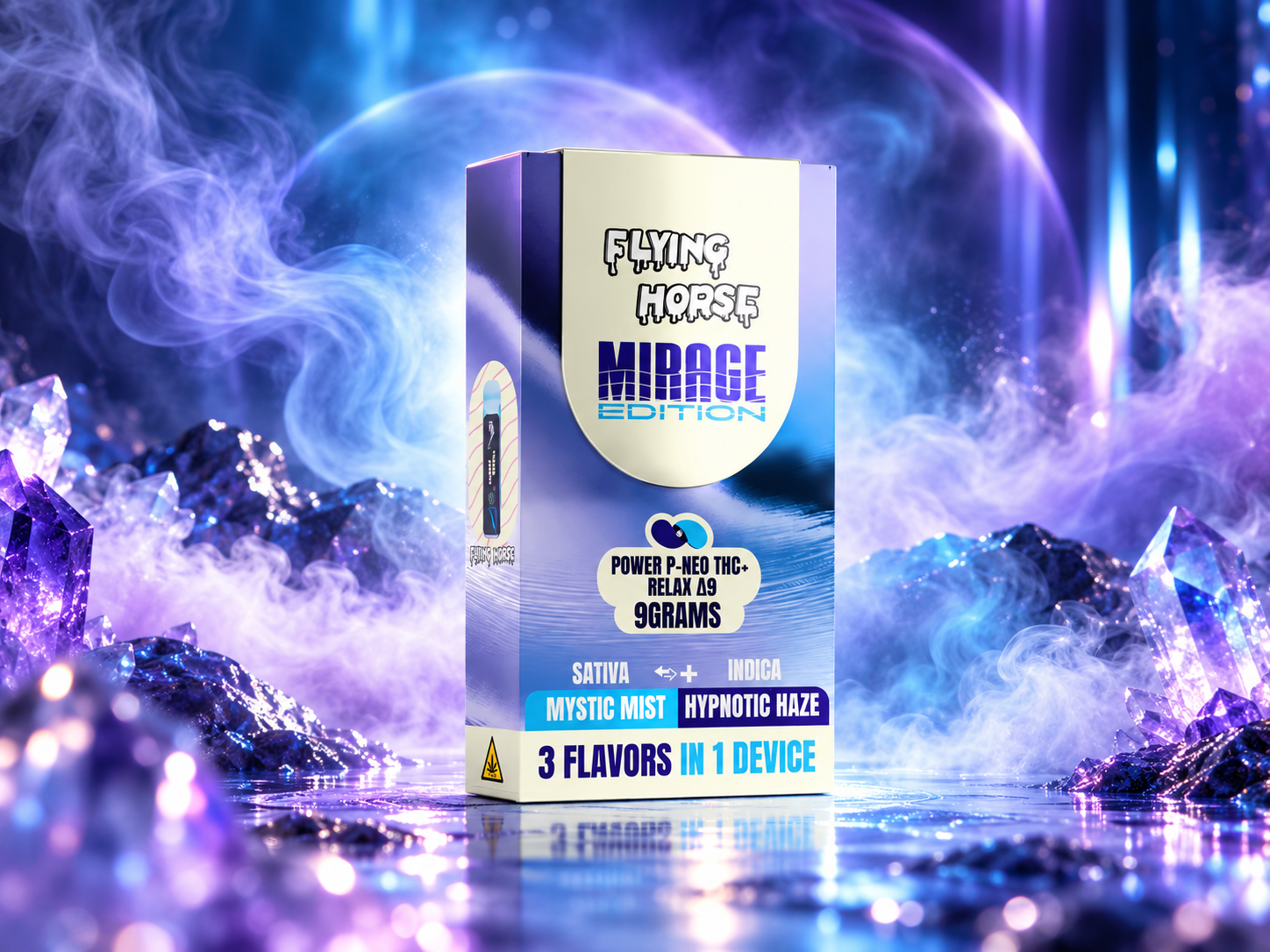
Counterfeits: The Biggest Avoidable Risk
A fake device has no verified testing. Nobody can tell you what solvents, metals or additives it may contain.
That makes counterfeits the risk you can most easily avoid. You simply need to buy products you can verify.
Common warning signs include sizes above 9 g, unknown edition names and prices far below market.
For instance, we found no 10g, 12g, 14g or 20g cart in the brand’s lab hub as of October 2026.
Our full guide on spotting real vs. fake carts includes a step-by-step checklist.
Verified vs. Unverified: A Safety-Focused Comparison
This table compares what you know about each type of product. It isn’t a health rating; it’s a transparency check.
| Question | Verified product | Unverified product |
|---|---|---|
| Third-party lab testing | Yes, per flavor | Unknown |
| Public COA you can open yourself | Yes, on the brand’s lab hub | No |
| Potency confirmed | Shown on the report | Unknown |
| Contaminant screening | Listed on full-panel reports | Unknown |
| Delta-9 THC label limit | ≤ 0.3%, verifiable | Unverifiable claim |
| Traceable batch | Matchable to a report | Rarely |
| Seller accountability | Contact details and returns policy | Often none |
| Can rule out risk entirely | No — no vape can | No |
Notice the last row. Verification reduces unknowns, yet it doesn’t turn any inhaled product into a risk-free one.
General Vaping Risks: The Part Nobody Likes to Say
Any inhaled product carries risk. Lab testing helps you avoid known contaminants, but it can’t remove that basic fact.
We don’t make health claims, positive or negative. We can’t tell you a product is good for you or harmless.
Also, these are high-potency hemp-derived blends designed for experienced adults. They aren’t made for first-time users.
If you have a medical condition, take medication or are pregnant, talk to a doctor before using any cannabinoid product.
Likewise, if you feel unwell after use, stop. Then contact a medical professional.
Practical habits that reduce hardware problems
Good habits won’t make vaping risk-free. However, they help your device work as designed.
- Charge fully with a USB-C cable before first use.
- Use preheat on models that have it, especially in cold weather.
- Take slow, gentle draws rather than hard pulls.
- Don’t chain-pull; give the device a break between puffs.
- Store it upright at room temperature, away from heat.
- Keep the mouthpiece and airflow clear.
New to dual-tank devices? Our Flying Horse vape how-to walks through setup. Always follow the instruction card in your box.
If a device leaks or arrives dead, don’t try to repair it. Contact us instead.
“Is It Laced?” Addressing a Common Fear
Many people worry that a cart might be laced with something unexpected.
It’s a fair question, given how many fakes circulate.
We can’t vouch for products we didn’t source. What we can say is this: verification is your best protection.
First, buy genuine products from an authorized seller.
Second, match the flavor and batch to a COA on the brand’s hub.
If you can’t find a matching report, don’t use the device. An unknown product gives you nothing to check.
What “laced” usually means in practice
Most of the time, the real concern is simply “unknown contents.” A counterfeit could contain anything, because nobody tested it.
So rather than guessing, rely on paperwork. A public, matching lab report beats any seller’s promise.
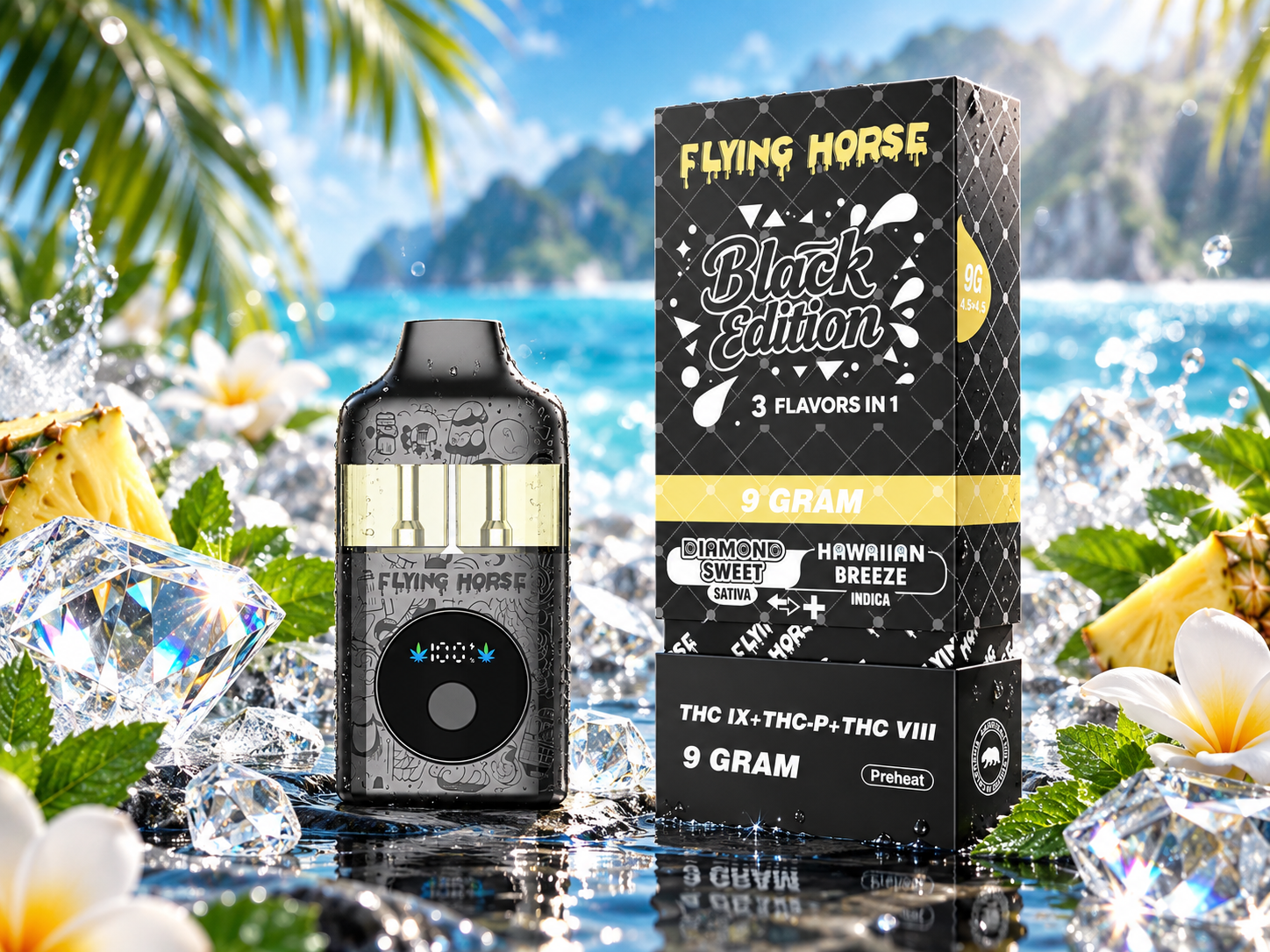
Common Myths About Vape Safety
Plenty of shortcuts circulate online. Unfortunately, several of them lead people to worse choices.
Myth: “Hemp-derived” means it won’t get you high
Not true for these products. They are high-potency blends of THC compounds, designed for experienced adults.
“Hemp-derived” describes the legal source and the Delta-9 limit. It doesn’t describe the strength of the effects.
Myth: A screenshot of a COA proves a product is tested
Anyone can copy an image. Instead, open the report yourself from the brand’s hub and match it to your flavor.
Myth: Bigger devices are always better value
Size claims are where many fakes hide. Remember, the largest genuine vape in the catalog is 9 g.
So a “20g” device isn’t a bargain. It’s a product nobody can verify.
Myth: Fruity flavors mean a gentler product
Flavor names describe taste profiles, not strength. A dessert-style name can sit on a very potent blend.
Myth: If it’s sold in a shop, it must be checked
Sadly, copies reach physical stores too. Your own check against the lab hub is still the reliable step.
Reading the Box Before You Read the Report
The packaging gives you the details you need for matching. Take a moment with it before you open anything.
Look for the product line, the size and the full flavor name. On dual devices, both strain names should appear.
The device or packaging labels which tank holds the sativa-labeled strain. Don’t guess from appearance alone.
Next, look for a batch code.
Then keep the box until you finish the device, because you may need it later.
Also check print quality and spelling. Blurry text or misspelled strains are worth a closer look.
Who Should Skip These Products
Some people should not use hemp-derived THC products at all. Being clear about that is part of an honest answer.
- Anyone under 21
- People who are pregnant or breastfeeding
- Anyone subject to drug testing they can’t risk failing
- People with health conditions who haven’t spoken with a doctor
- Anyone new to cannabinoids, given how potent these blends are
In those cases, the safest choice is not to use the product.
That advice applies to every brand, not just this one.
So, are Flying Horse carts safe for beginners?
The brand designs these high-potency blends for experienced adults. So we don’t recommend them as a first cannabinoid product.
If you are experienced and choose to use one, go slowly.
Take a gentle draw, then wait before deciding on another.
Drug Tests: Be Realistic
Hemp-derived THC products can cause a positive drug test. That applies to vapes, gummies, prerolls and seltzers alike.
The 0.3% Delta-9 limit is a legal labeling threshold. It isn’t a promise about what a drug screen will detect.
In addition, many of these products contain other THC compounds. Tests may react to them as well.
So if you face workplace or legal testing, assume a positive result is possible. Then decide with that in mind.
Age, Storage and Keeping Others Safe
You must be 21 or older to buy and use these products.
We sell only to adults 21+, and every responsible seller should do the same.
Keep all products away from children and pets. This matters especially for gummies, which can look like ordinary candy.
Store vapes upright, at room temperature, out of sunlight and away from heat sources such as car dashboards.
Also, don’t drive or operate machinery after use. Wait until you know how a product affects you.
Disposal
Disposables contain batteries. Therefore, don’t throw them in household trash if your area offers battery or e-waste recycling.
Considering a rechargeable option instead? The Power Split 9G Kit pairs a battery with replaceable 9 g pods.
Questions to Ask Any Seller Before You Buy
Good sellers welcome questions about testing. In fact, their answers tell you a lot about how they operate.
Can you link the exact lab report?
A seller should point you to the matching flavor on the brand’s hub. A generic “it’s tested” reply isn’t enough.
Where does your stock come from?
An authorized retailer can answer this plainly. Vague sourcing raises the chance of mixed or copied inventory.
How do you store products?
Heat and sunlight can affect any vape. Therefore, ask whether stock stays at room temperature before shipping.
What happens if a device is faulty?
Look for a written returns policy.
Ours is on the shipping and returns page, so you can read it before ordering.
If any answer feels evasive, keep looking. A cheaper price never makes up for missing testing.
A Note on Changing Laws
Federal hemp rules are changing, and state laws differ. See our 2026 hemp THC law update for the details.
How We Approach Safety as a Retailer
We sell only products we can match to the brand’s published lab reports. We don’t stock unverified sizes or editions.
Next, we list every flavor by its full name. That makes matching a device to its COA quick and simple.
We also avoid health claims in our product copy.
If a page ever reads like a medical promise, tell us and we’ll fix it.
Browse our lab-tested disposables or the preroll collection, each linked to its reports.
FAQ: Are Flying Horse Carts Safe?
Are Flying Horse carts lab tested?
Yes. Every genuine product is third-party lab tested. The brand posts the reports per flavor on its website.
Does a lab report mean a vape is risk-free?
No. A COA shows what a lab found in a sample. Any inhaled product still carries risk.
What contaminants do full-panel reports check?
Full-panel reports typically screen for pesticides, heavy metals and residual solvents. Check which panels your report includes.
Can these products make me fail a drug test?
Yes, they can. Hemp-derived THC products can cause a positive drug test.
How do I know my cart isn’t laced?
Buy verified products from an authorized seller. Then match the flavor and batch to a COA on the brand’s hub.
Are counterfeit carts tested?
Not in any way you can verify. Fakes have no matching report, so their contents are unknown.
Who can buy these products?
Only adults 21 and older. Keep every product away from children and pets.
Should I talk to a doctor first?
If you have health concerns, take medication or are pregnant, yes. We can’t give medical advice.
The Takeaway: Are Flying Horse Carts Safe Enough for You?
Safety starts with knowing what you’re using. Genuine products come with public, per-flavor lab reports that you can read yourself.
However, no report removes the basic risks of inhaling anything.
Be honest with yourself about that, and ask a doctor if unsure.
Then buy verified, read the COA and store products safely. That simple routine protects you better than any label claim.